
Medical Research and the health benefits of Intermittent Fasting
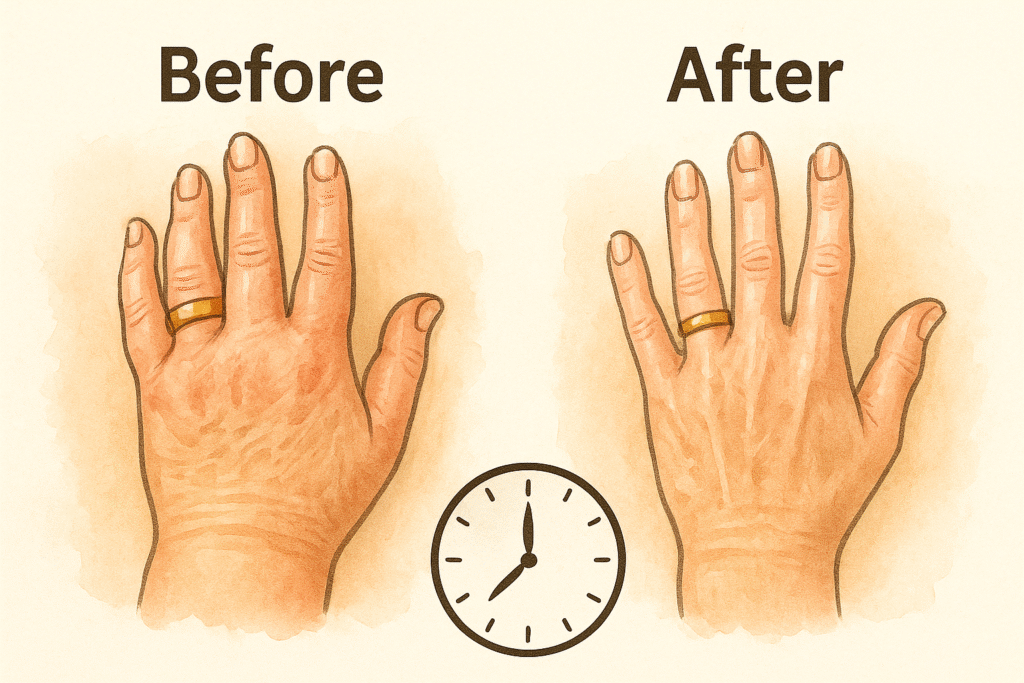
Here’s what medical research suggests about the potential health benefits of intermittent fasting for individuals over 70—divided into separate sections for men and women. Please note that evidence specifically targeting the 70+ age group is still limited, so much of the available insights are extrapolated from studies in older adults or general findings.
Potential Benefits for Men Over 70
- Weight Management and Metabolic Support
Intermittent fasting may help manage weight, improve metabolism, and support overall health in older men, especially when done with a balanced diet. University of Rochester Medical Center+12BetterMe+12Harvard Health+12TIME+7Well Wisp+7BetterMe+7 - Improved Blood Sugar Control & Insulin Sensitivity
Fasting has been shown to lower blood sugar levels and enhance insulin function—important for reducing diabetes risk. BetterMeThe Times of IndiaWikipedia - Lowered Cholesterol & Triglycerides
Some intermittent fasting methods (e.g. alternate-day fasting) may help reduce total cholesterol, triglycerides, and non-HDL cholesterol levels. Verywell Health+4BetterMe+4The Times of India+4BMJ - Enhanced Cognitive Function & Brain Health
Early findings suggest that intermittent fasting may support cognitive ability and slow brain aging. TIME+4centerwellprimarycare.com+4The Times of India+4
Potential Benefits for Women Over 70
- Weight Reduction & Metabolic Gains
Fasting could aid weight loss and leverage improvements in blood sugar control in older women, similar to effects seen in younger adults. MDPI+15BetterMe+15Well Wisp+15 - Blood Sugar & Insulin Improvements
Early research indicates potential for improved glycemic control through fasting in postmenopausal women. centerwellprimarycare.com+4Wikipedia+4MDPI+4 - Cognitive Health & Cellular Function
Benefits such as improved brain function, neuroprotection, and healthier aging at a cellular level have been reported. ScienceDirect+15irp.nih.gov+15BetterMe+15
Benefits Common to Both (Across Genders)
- Weight Loss
Across adults, various intermittent fasting strategies reliably lead to weight reduction. Alternate-day fasting may offer slightly more benefit in certain contexts. BMJ+2Wikipedia+2 - Better Metabolic Markers
Evidence points to improvements in markers like insulin resistance, blood glucose, cholesterol, and triglycerides. Harvard Health+15Wikipedia+15Well Wisp+15 - Reduced Inflammation & Oxidative Stress
Fasting may lower chronic inflammation and oxidative damage—factors linked to aging and disease. after50health.com+4MDPI+4irp.nih.gov+4Wikipedia+4Well Wisp+4The Times of India+4 - Cellular Repair & Autophagy
Fasting can trigger autophagy (the body’s cellular clean-up process), which may support cellular longevity and health. Business Insider+1 - Heart & Circulatory Health
Some fasting methods show promise in enhancing cardiovascular health, though more studies in older adults are needed. University of Rochester Medical Center
Summary Tables
| Group | Potential Benefits |
|---|---|
| Men over 70 | Weight management, improved insulin sensitivity, better lipid profile, cognition |
| Women over 70 | Weight loss, glycemic control, cognitive support, cellular repair |
| Both | Weight loss, better metabolism, reduced inflammation, autophagy, cardiovascular health |
A Note on Evidence Quality & Safety
- Limited Direct Research for 70+
Very few studies focus exclusively on intermittent fasting in adults aged 70 and above—most findings are based on younger or mixed-age populations. University of Rochester Medical Center+4BetterMe+4BetterMe+4 - Risks to Consider
Seniors may face challenges such as dehydration, nutrient deficiencies, medication interactions, or muscle loss. These risks highlight the importance of a medically supervised, nutrient-dense fasting plan. Business Insider+4BetterMe+4centerwellprimarycare.com+4
Bottom Line
Intermittent fasting holds potential for supporting weight loss, metabolic health, brain function, and cellular well-being in older adults. Benefits seem promising for both men and women over 70—but due to limited specific research in this age group, it’s essential to consult a medical professional before beginning any fasting regimen.
✅ Safety Considerations & Steps for Seniors Starting Intermittent Fasting
1. Consult Your Doctor First
- Always talk with your healthcare provider before starting.
- This is especially important if you:
- Take blood pressure, diabetes, or heart medications.
- Have a history of kidney disease, osteoporosis, or malnutrition.
- Recently experienced unintentional weight loss.
2. Choose a Gentle Fasting Method
- Seniors may benefit more from less restrictive fasting plans, such as:
- 12:12 (12 hours fasting, 12 hours eating)
- 14:10 (14 hours fasting, 10 hours eating)
- Avoid long fasts (>24 hrs), as these may raise risks of dizziness, weakness, or nutrient deficiencies.
3. Prioritize Nutrition During Eating Windows
- Focus on protein-rich foods (fish, eggs, poultry, beans, Greek yogurt) to protect muscle mass.
- Include fiber and whole grains for digestion and steady energy.
- Add plenty of fruits, vegetables, and healthy fats (olive oil, avocado, nuts) for overall health.
4. Stay Hydrated
- Seniors are more prone to dehydration, so sip water regularly.
- Unsweetened tea, black coffee, or sparkling water are fasting-friendly options.
- Aim for at least 6–8 cups of fluids daily unless medically restricted.
5. Watch for Warning Signs
Stop or adjust fasting if you notice:
- Dizziness or frequent lightheadedness
- Extreme fatigue or confusion
- Rapid weight loss or muscle wasting
- Irregular heartbeat or low blood pressure
6. Protect Muscle & Bone Health
- Pair intermittent fasting with light resistance training (bodyweight, bands, or small weights).
- Ensure calcium and vitamin D intake is adequate (diet or supplements, per doctor’s advice).
7. Ease Into It
- Begin with shorter fasting periods (e.g., 10–12 hours) and slowly increase if comfortable.
- Flexibility is key—missing a fasting window occasionally is fine.
8. Consider Gender Differences
- Men over 70 may need more focus on heart health and cholesterol management.
- Women over 70 should pay extra attention to bone health and adequate protein.
⚠️ Final Note
Intermittent fasting can support healthy aging in seniors when done carefully. The goal should not be extreme fasting, but rather a balanced approach that maintains energy, protects muscle, and enhances well-being. Always individualize based on medical history, nutrition needs, and lifestyle.